What is the Rotorcraft Collective?
The Rotorcraft Collective is an FAA and industry joint effort focused on improving helicopter safety through short, practical, safety-focused videos. Each video highlights a specific risk area with clear, real-world takeaways for pilots and instructors.

I had the opportunity to collaborate again with the RC Team on this video, working on the script with Matt Johnson, who developed the original concept and also serves as the presenter. Matt is a helicopter air ambulance pilot and FAA Designated Pilot Examiner, and a regular columnist with Rotor Pro Magazine.

Beware the ‘Green Dot Syndrome‘
It’s a short night flight. Quick weather check and you see green dots at both departure and destination, and think… good to go, right?
Not so fast!
In the video Matt breaks down a common trap that catches a lot of pilots: the Green Dot Syndrome!
What is ‘Green Dot Syndrome‘?
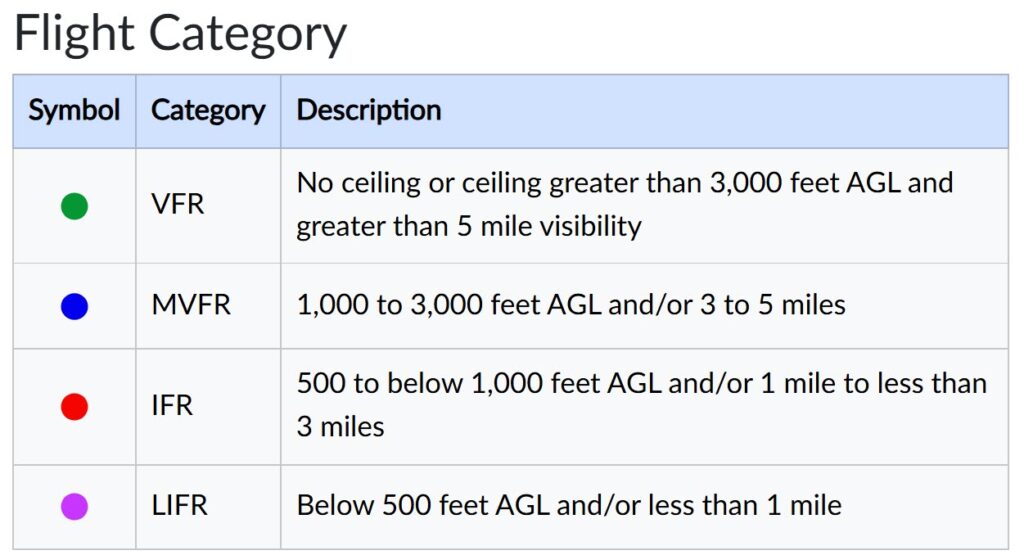
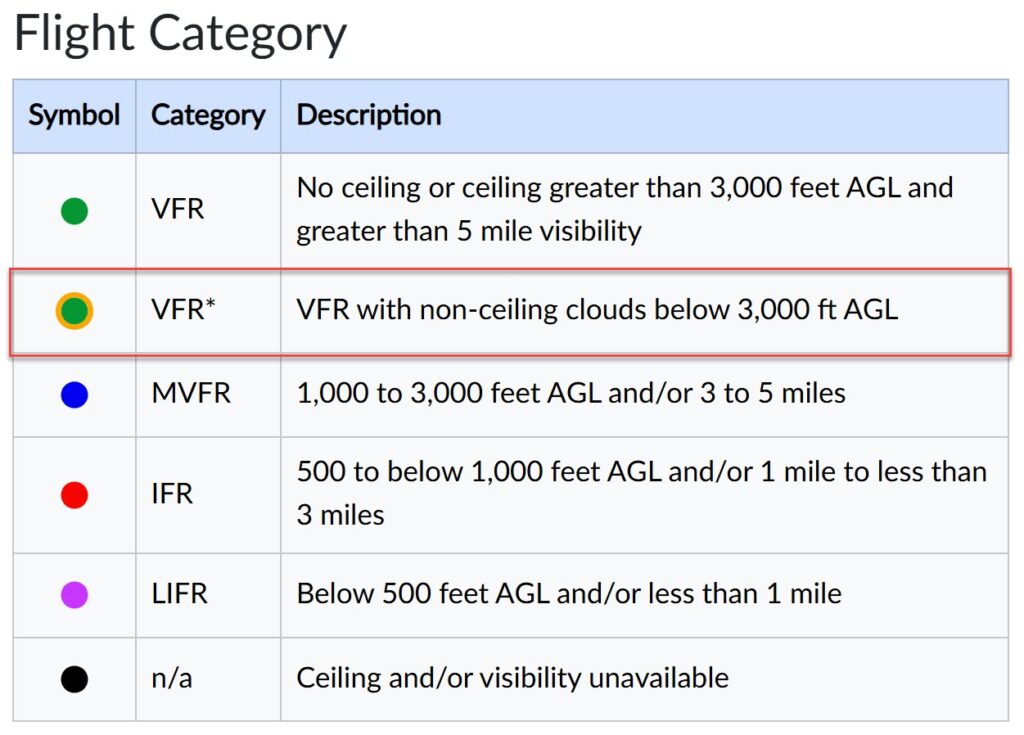
Green dots on an aviation weather chart come from the Aviation Weather symbology. They indicate:
- Ceilings above 3,000 feet
- Visibility greater than 5 statute miles
On first thought that sounds like safe VFR…
But here’s the problem:
Ceilings versus Layers
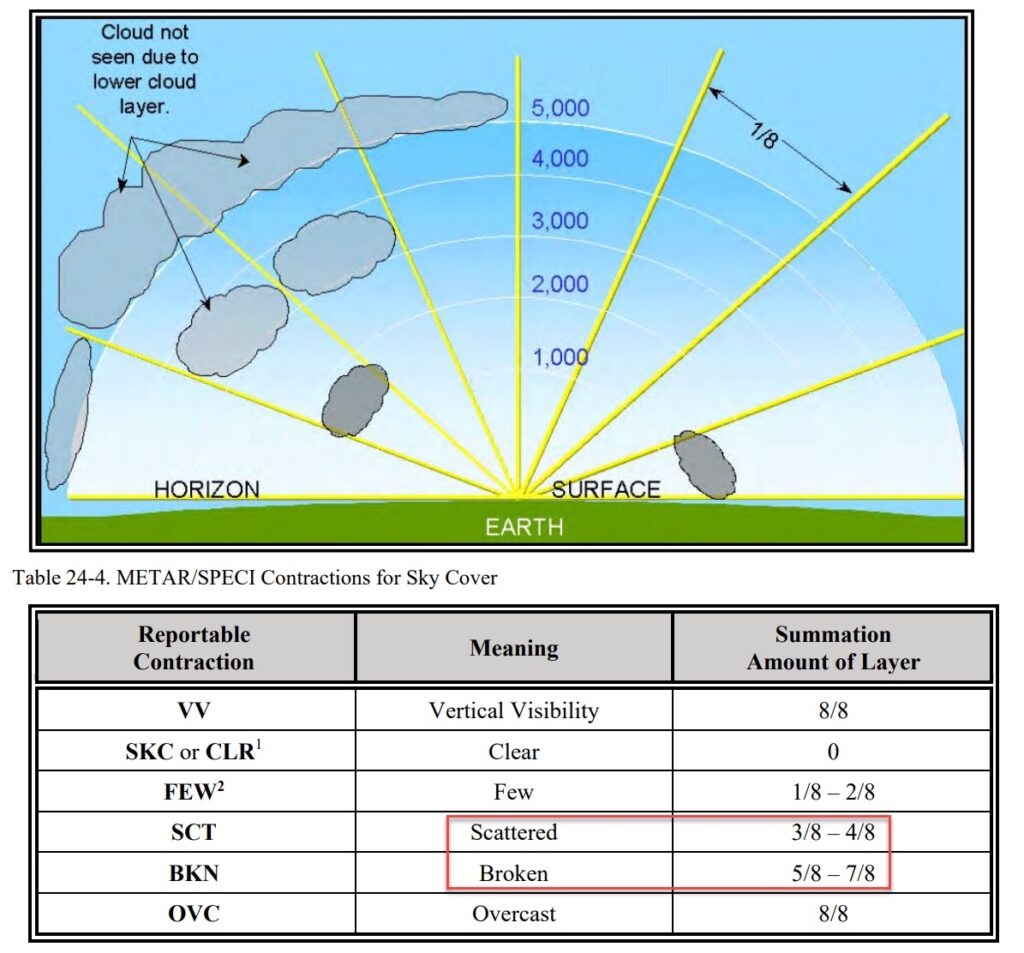
The color classifications are based only on ceilings (broken or overcast layers), not scattered or few layers of cloud.
That means you could have:
- A broken layer at 3,100 feet
- A scattered layer at 400 feet
…and still show green VFR – because the scattered layer is not considered a ceiling.
That’s one eighth of the sky away from turning magenta for low IFR – real trouble, especially at night or in reduced visibility environments.
That disconnect between what the dot displays and what the flight will actually looks like is what Matt calls Green Dot Syndrome.
When the pilot only sees green dots on the weather chart and looks no further, that is what I call the Green Dot Syndrome. Remember, green does not always mean good to go!
Matt Johnson – Rotorcraft Collective
The New Symbol
To help address this, the Aviation Weather Center introduced an updated symbol.
A green dot with a yellow or orange band indicates:
- VFR conditions
- But lower cloud layers exist below 3,000 feet
It’s a small visual cue, but it adds important context that can change your decision-making.
Other Considerations
A METAR is just a snapshot
- A METAR only represents conditions at a single reporting station.
- Conditions can vary significantly even a short distance away, especially in changing terrain or areas prone to localized weather.
Weather changes faster than reports
- Weather doesn’t wait for the next update cycle.
- In unstable conditions, ceilings and visibility can deteriorate quickly between reports.
Watch the temperature–dew point spread
- A narrowing temperature–dew point spread is a key warning sign.
- As the spread decreases, the likelihood of fog or low cloud formation increases.
Use all available tools
- Don’t rely on a single source.
- Use multiple weather tools to build a complete picture of current and forecast conditions.
Why All This Matters
The Green Dot Syndrome is exactly the kind of subtle trap that can lead a pilot into inadvertent IMC.
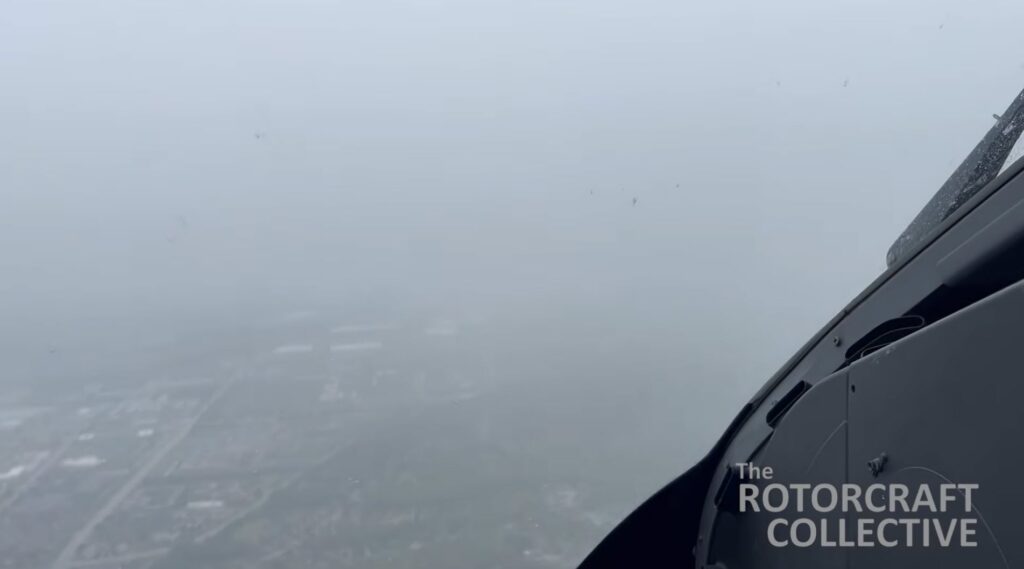
Always beware of the Green Dot Syndrome!
Matt Johnson – Rotorcraft Collective
Video Links & Subscribe
This is another excellent short resource to use with students or revisit during recurrent training. Check out the full Rotorcraft Collective YouTube Playlist.
I also recommend subscribing to the YouTube channel(@FAAnews) to be notified of new Rotorcraft Collective videos.
Also check out Matt’s original article on the subject for Rotor Pro.
Feedback
Have you ever been caught off guard by “good” weather that wasn’t actually that good?
Drop a comment below and share your experience or tips for avoiding this trap.