
The Rotorcraft Collective
The Rotorcraft Collective is an FAA and industry joint project focused on increasing helicopter safety and reducing accidents through short, practical, safety-focused educational videos.

I was fortunate to collaborate with the Rotorcraft Collective team on this project, contributing some b-roll footage (see if you can spot the Central Oregon flying shots). The Rotorcraft Collective are a highly experienced and dedicated group of professionals who care deeply about improving helicopter safety. I am honored to be part of the team and look forward to contributing to upcoming videos currently in development.
Flying in the Unforgiving Wire Environment
Wire strikes have been among the top three causes of fatal helicopter accidents for more than a decade.
The latest video from The Rotorcraft Collective, Flying in the Unforgiving Wire Environment, takes a hard look at why wires continue to catch even experienced pilots off guard and what we can realistically do to reduce the risk.
Why Seeing and Avoiding Wires Is Not Enough
One of the most important points this video makes is that seeing wires is not a reliable defense. Many pilots assume that if they keep a good visual scan, they will have enough time to react. Survivors of wire strikes often say otherwise. Common statements include, “I just didn’t see them,” or “There was no time to react.”
Wire hazards exist nearly everywhere we fly. In certain lighting, terrain, or background conditions, wires can be completely invisible. Because of that, flight crews must be trained to assess the wire threat and verify the presence of wires without relying solely on see-and-avoid.
The Scale of the Wire Hazard
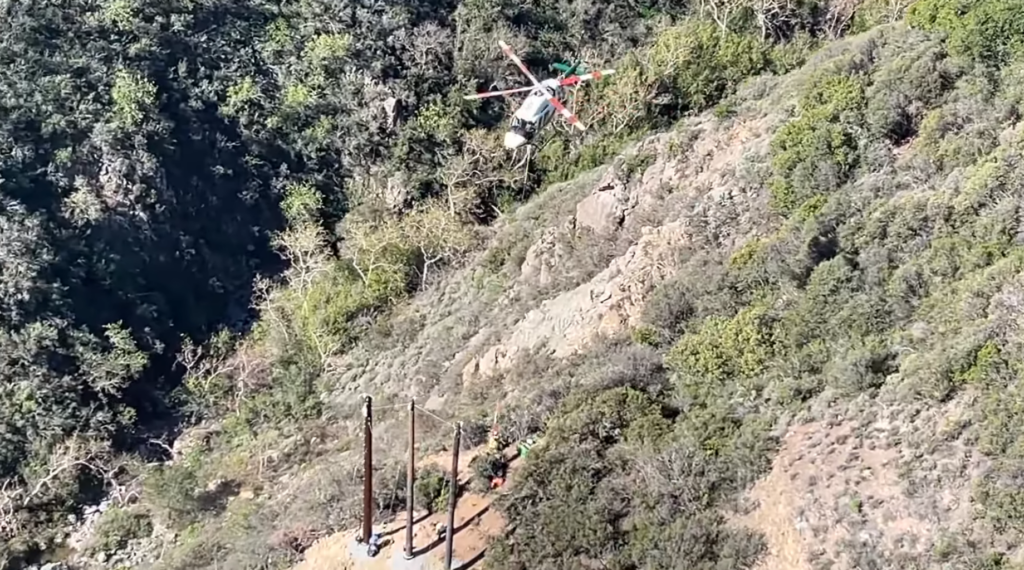
In the United States alone, there are nearly 200,000 miles of high-voltage transmission lines and millions of miles of low-voltage lines. Routine helicopter operations place most of us in regular exposure to this unforgiving environment.
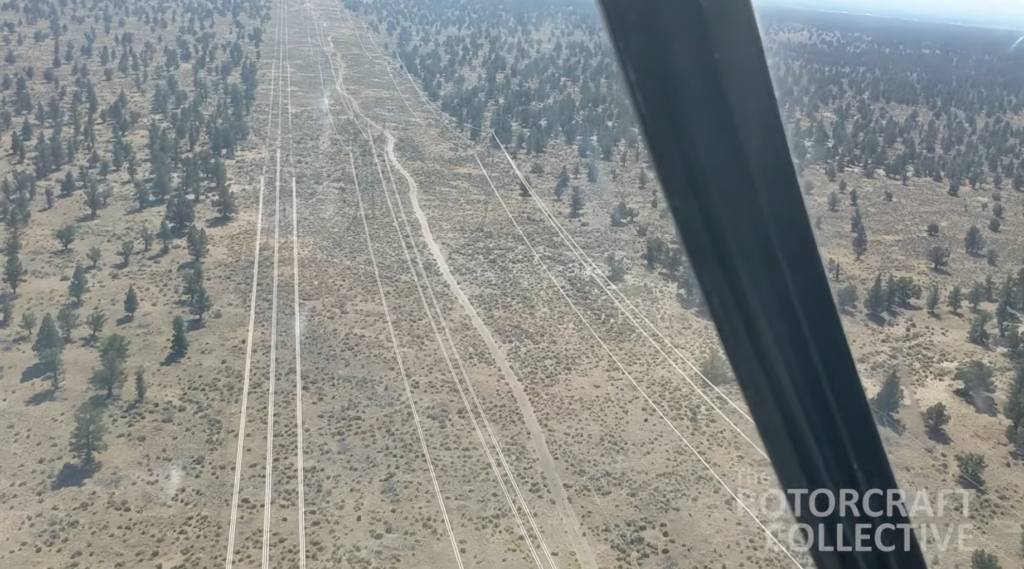
The plan can not be simply to see and avoid.
Wires Are Not the Only Low-Altitude Threat
The video also reminds us that wires are not the only hazards we face at low altitude.
It discusses a recent fatal accident in which a helicopter impacted a 1,000-foot radio tower at night. Although the tower was equipped with high-intensity lighting at multiple elevations, those lights may have been masked by surrounding urban lighting. The helicopter impacted approximately 100 feet below the top of the structure.

Key Mitigations from a Recent Accident
That accident highlights three important mitigations:
- Be aware of the highest obstructions along the route
- Plan routes to avoid obstacles
- Maintain aggressive lookout discipline
Even with solid planning and vigilant scanning, uncharted wires can still exist. Chris Hill of VAI, the video’s narrator, speaks from personal experience, having survived a wire strike himself.
Technology as a Supplement, Not a Solution
When avoidance breaks down, technology may help supplement obstacle awareness. The video discusses several tools, including:
- Laser-based detection systems
- Powerline detection systems
- Helicopter Terrain Awareness and Warning Systems
- Cable cutters as a last line of defense
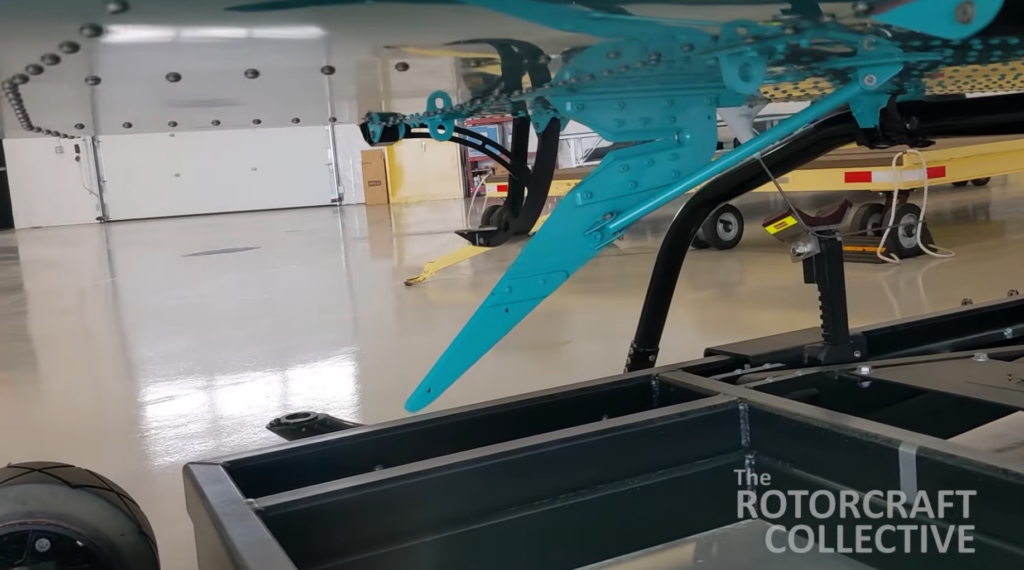
Cable cutters can work, but their effectiveness depends on factors such as speed, wire thickness, and wire tension. They are not guaranteed to work in every scenario.
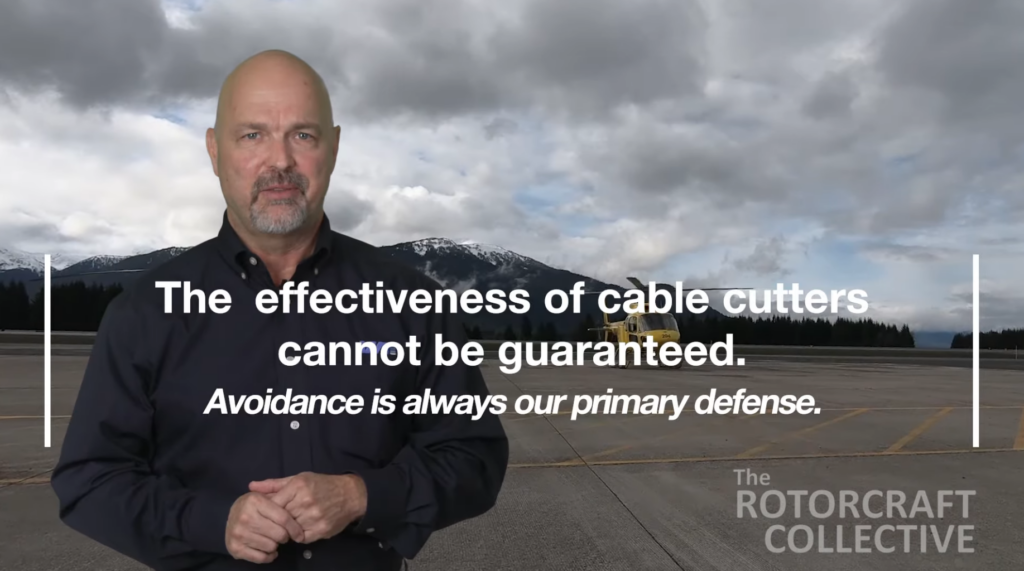
Avoidance remains the primary defense.
Practical Wire-Strike Avoidance Techniques
The video closes with practical, actionable techniques, including:
- Looking for powerline telltales such as right-of-way clearing cuts and support towers
- Crossing transmission lines directly over support towers and above the highest guide wires
- Assuming wires are present in any unfamiliar area until a thorough high reconnaissance confirms otherwise
- Maintaining a sterile cockpit in the wire environment and climbing to safety if distraction or confusion occurs
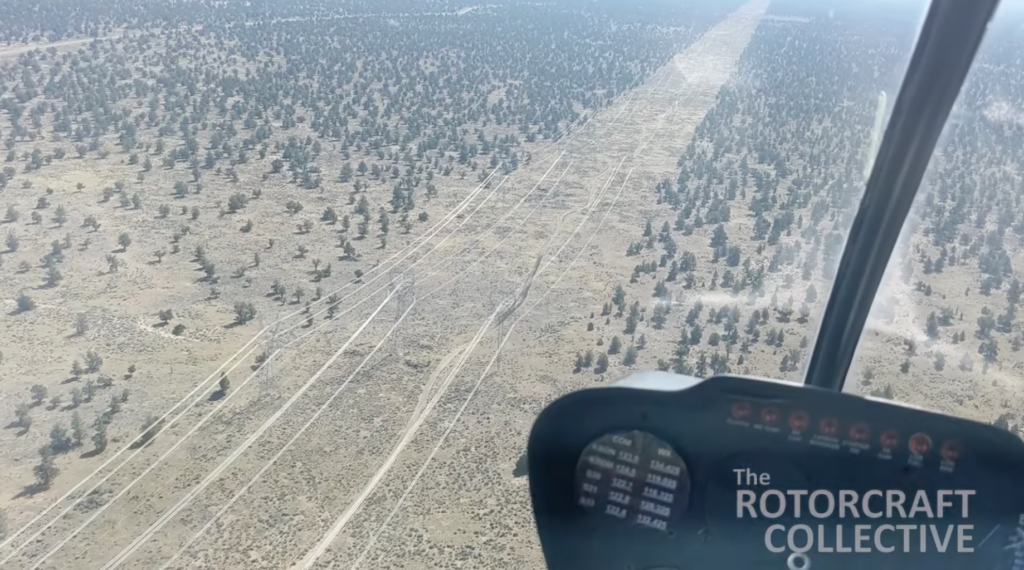
Stay above wires when you can. When you cannot, use every available tool, technique, and piece of information to manage risk.
Just Fly Higher!

If you want to fly to a higher standard, just fly higher!
Vertical Aviation International
Video Links & Subscribe
This is another great short video resource for instructors to keep in mind and pass along to students. You can find the full playlist: https://www.youtube.com/playlist?list=PL5vHkqHi51DTAkNwV1ZlHydXxPUCjmiRt and I recommend you subscribe to the YouTube channel(@FAAnews) to be notified of new Rotorcraft Collective videos.
Feedback
Let us know in the comments below if you have any feedback about the video or other resources or advice on this topic.